For those of us interested in growing our own food, the easiest first step is to garden! From window-sill herb gardens, to balcony container gardens, to 16 square foot raised beds, to 1000 square foot row gardens, there are hundreds of ways you can go from dirt to dinner. You would be amazed at how much food one can produce in even as little space as a few patio pots!

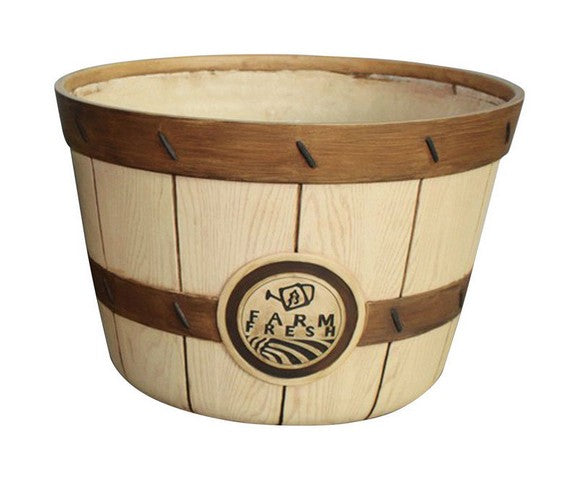
CONTAINER GARDENING: There has been a solid increase in interest for container gardening in recent years, largely due to the urban farming movement. For a number of those wishing to grow their own food, yard space may be extremely limited or non-existent. These inspired urban farmers often turn to balcony and window-sill containers for growing herbs, vegetables and small bushes and trees. One of the greatest things about container gardening is that everywhere you look you can find potential vessels for your garden! Empty milk jugs or 2-liter soda bottles can be wired to fence railings for a naturally draining planter, drills can quickly poke holes in plastic buckets, old rain boots can become quirky carrot holders. The possibilities are endless and inexpensive. With the proper soil mix, access to sunlight (or shade depending on the plant) and regular watering, containers can be used to grow almost anything.

    RAISED BED GARDENING: Similar to container gardening, raised bed gardening continues to increase in popularity and it's not hard to see why. Raised bed gardens are often paired with the square foot gardening method. This strategy uses plants per square foot as the planting guidelines instead of more traditional row gardening. Raised beds are usually no more than 4 feet wide so that the grower can still reach in to harvest and weed, but vary in length depending on available space and desired production. The benefits of raised beds are usually touted as follows:
  • By building a garden up from ground level, you can mix the perfect amounts of compost, soil, and vermiculite (recipes vary). This eliminates the need for conditioning and working with existing soil. For aspiring gardeners in areas with less-than-perfect soil conditions, this method offers an effective, if sometimes expensive, solution.
  • Another perk of building the soil up is fewer weeds! Unlike using existing ground soil, weeds and other unwanted seeds aren't present in bagged soil and the number of wandering renegades is usually kept to a minimum.
  • Raised bed gardens are also ideal for big production in small spaces. Since you don't need to provide walking space between plants as you do with row gardens, you can fit a lot more plants in a small amount of space. This is a big help to urban and suburban farmers especially who are always looking for ways to maximize their smaller bits of farmable land.

ROW GARDENING: Row gardening is what most people think of when they think of vegetable gardening. It is the most traditional method, and is perfectly suited to larger gardens. Usually row gardening involves testing the PH levels of existing soil, then tilling the garden area - mixing in any corrective additives needed to balance it (such as compost). Once the soil is appropriately conditioned, rows can be made, providing enough space between them for walking, kneeling, and watering. Row gardening is perfect for someone with a large space that can be devoted to the garden. Having plants spread out in rows helps make the most of sunlight without as much risk of some plants shading others. Having space for kneeling by the plants also makes harvesting and weeding easier.

GROWING FRUIT: While planting and growing vegetables every year is fun and rewarding for most gardeners, it's always a great add berry bushes, strawberry patches and fruit trees to your homestead for an annual harvest with no need to replant! If growing berries, grapes, apples, peaches or other similar fruit interests you, we recommend you get started on your research! The vast majority of berry bushes and fruit trees can take anywhere from 2-6 years to start producing decent yields. Also, take pollination into consideration. In most cases, planting two of the same type can be limiting. For example, Granny Smith Apples are more productive when planted near Red or Golden Delicious varieties. In the case of berry bushes, there are some types that actually have "male" and "female" plants that must be planted together to produce a harvest. With all of these considerations in mind, you will want to lay out a plan for your homestead to make sure all your desired trees and bushes have enough space, as well as the proper pollinators nearby.


Sweet PDZ®

The number one selling brand in the odor neutralizing category, Sweet PDZ is safe to use for all livestock and has been shown to make the nutrients in manure more plant-accessible.


Whether you keep livestock, have a garden, or simply end up with extra kitchen scraps - you should be composting! Composting is one of the simplest activities you can do to help reduce waste and build up valuable, nutrient-rich soil.

    INGREDIENTS: When considering whether or not you can add something to your compost pile, the number one question is, "Is it biodegradable?" If the answer is "yes" then chances are good it can be added to your compost. Some of the most common ingredients in compost are:
  • Grass Clippings - As long as your lawn isn't treated with any chemical fertilizers, pesticides or color agents, grass clippings are a great way to add some nitrogen to your compost pile, as well as moisture. If adding grass clippings, it is recommended that you also add some dryer components such as dried leaves, to avoid having odor problems.
  • Kitchen Scraps - Never add dairy, meat or bones to your compost, but most fruits, vegetables, flowers and starch items work just fine. Many people keep a small bucket or countertop composter in their kitchen to collect scraps until it's ready to be dumped in the pile outside. Highly fibrous items like corn cobs or very wood-like flower stems are best avoided as they do not break down as quickly as you will likely want to use your compost.
  • Yard Waste - Weeds pulled from your garden, leaves, dead houseplants and other unwanted plants can all be added to the compost. Again, you'll want to avoid anything that could have chemical treatments on it. Also, be sure to avoid adding any diseased plants. If your houseplant died with suspicious symptoms, it's probably best to abstain from putting it in the compost. Sticks and branches should not be added as they will have a much slower rate of decomposition than the rest of the ingredients.
  • Aquarium & Pond Byproducts - Aquarium water, algae and plants from freshwater ponds or aquariums can be used to add moisture and nitrogen.
  • Manure - If you are lucky enough to have access to fresh manure, add it to your compost! The balance of nitrogen, phosphorus and potassium is extremely beneficial to your compost and garden. This is only true of vegetarian species. Do not put dog, cat or other carnivorous creatures' manure in the compost. Chicken and rabbit manure is often rated as the most nutrient rich varieties.

STRUCTURE: Your compost storage can be as cheap and easy or as fancy as you want to make it. Some people keep it as simple as designating a corner of their yard to compost, others put up fencing, and still others purchase manufactured compost bins. Being sensitive to your neighbors and whether your compost pile is visible from their yards or the street, you'll need to choose the compost storage that makes the most sense for your needs. The size of your compost should also depend on how much material you are planning to compost and how much compost you plan on using in your gardens (or selling to others!) on an annual basis, but the most commonly recommended size is 3' x 3' x 3' for adequate heat and density. Locate your compost pile somewhere that gets both sun and shade, far enough away from areas that collect water as to avoid a swampy compost.

    MAINTENANCE: The beauty of a compost pile is that it requires very little maintenance, but has a big payout. Your compost will need two main areas of maintenance: moisture and air.
  • Moisture - While compost piles usually derive plenty of moisture from grass clippings, rain, etc. you will want to be aware of any prolonged dry periods. If you haven't added any moisture rich material in a while and the weather is especially hot and dry, consider watering your compost. It won't need much, just enough to encourage the natural process of decomposition to continue.
  • Aeration - Mixing and turning your pile is a very important part of composting. The organisms that drive compost decomposition need oxygen to survive. As the middle of the compost pile uses up its stores of oxygen, those organisms can die off, slowing down the progress of your compost. By mixing or turning it once a week, you maintain the ideal oxygen levels to support rapid composting. If you aren't in a hurry for your compost, you can turn it less often.

BENEFITS: Every year, we produce millions of tons of garbage. A huge portion of that is made up of biodegradable, compostable material. By composting everything from yard waste to kitchen scraps, you can reduce the amount of garbage you throw away. Composting is also a great way make your own natural, nutrient-rich soil enhancer which will have a huge impact on your garden. Plus, if you have livestock, especially chickens, composting is the perfect way to get the most benefit from their manure.


Sweet PDZ®

The number one selling brand in the odor neutralizing category, Sweet PDZ is safe to use for all livestock and has been shown to make the nutrients in manure more plant-accessible.


Some of the first animals most modern homesteaders add to their homesteads are chickens and it's easy to see why. Chickens are, world-wide, one of the oldest and most common livestock animals. They don't require a lot of space, yet they can yield plenty of fresh eggs and meat for you and your family. In addition to providing sustainable and delicious food, chickens provide manure which is a valuable fertilizer for your garden due to the high nitrogen levels. If you're contemplating adding chickens to your homestead, consider the following:

    EGGS: A 2007 egg test conducted by Mother Earth News found that eggs from chickens raised on pasture or in backyards have superior nutrition to commercial varieties. In fact, they found that pastured/backyard eggs have:
  • 1/3 less cholesterol
  • 1/4 less saturated fat
  • 2/3 more Vitamin A
  • 2 times more Omega-3 fatty acids
  • 3 times more Vitamin E
  • 7 times more Beta Carotene

If your main reason for adding chickens is to get fresh eggs from your own yard, you'll want to spend some time familiarizing yourself with the various chicken breeds and what their laying behaviors are. Many people factor in egg size, frequency of laying and egg color into their breed purchase decisions. There are a number of wonderful breeds that frequently lay large eggs. If you would like to add some diversity to your egg basket, there are also several breeds that lay uniquely colored eggs such as blue, green or dark chocolate brown. The most important thing to remember is that no matter the color or size, the nutrition and taste of your eggs will reflect the quality of care and nutrition you provide for your flock. To learn more about a wide variety of chicken breeds and their laying habits, we recommend the breed chart at My Pet Chicken.

    MEAT: Chicken meat is lean, healthy and delicious. Plus, when you raise your own chickens for meat, you can control everything from their living conditions and quality of feed, to the butchering process. Our culture is putting more and more emphasis on knowing where food comes from and raising the standards of food quality. What better way to ensure your family is eating healthy food, from happy, well-cared for animals than to raise your own chickens for meat? If you have decided to raise chickens for meat, you'll want to consider the pros and cons for dual-purpose breeds, versus broilers:
  • Dual-purpose chickens are breeds that are good layers, as well as having the proportions and build to be used as meat birds. The main benefit of dual-purpose chickens is obvious - they're dual-purpose! Many people who raise these types of birds will buy straight-run chicks (unsexed) and keep the ones who grow to be hens as layers, and use the males as meat birds. Dual-purpose flocks also offer flexibility to decide how many chickens you need or want to keep for eggs and how many you want to butcher for meat.
  • Broilers are types of chickens that are primarily bred for the purpose of butchering. The most common variety is called a "Cornish Cross" which is a mix of two different breeds of chickens, resulting in a very quick-growing bird with the proper body type for meat. While they aren't suited as layers, they grow so quickly they are usually ready to process in as little as 5-7 weeks. Not only does that mean less time waiting, but also less feed required. It should be noted that due to the nature of their rapid growth, Cornish Cross chickens aren't suited to a long life. If they aren't processed in the ideal timeframe, they are highly susceptible to organ failure and other health issues.

    GARDEN: Take a visit to any lawn and garden store and you'll find a myriad of fertilizer options. While there are a ton of new chemical technologies, most gardeners emphatically prefer natural and organic fertilizers such as compost and manure. This is largely due to the fact that organic materials not only provide nutrients to the growing plants, but also build and condition the soil. Chicken manure, specifically, is one of the richest manures in terms of Nitrogen, Phosphoric Acid, and Potash. It is considered "hot" manure that requires aging or composting before it can be added to the garden. Fresh chicken manure can actually burn your garden plants if it isn't properly aged. There are three popular methods for treating chicken manure:
  • Fertilizer "tea" is when you put the fresh manure in a burlap bag which is placed in a barrel of water for several days. That nutrient-rich water can then be used to water garden plants.
  • Heat-treated chicken manure is safe to use in the garden. Fresh manure is placed in a pile and insulated to ensure it reaches a temperature of 150° F. It can then be mixed in with garden soil.
  • Composting is the most popular method of using chicken manure. By placing your chicken manure and used bedding in the compost and mixing with other materials such as grass clippings, leaves and table scraps, you can help burn off the extra heat in chicken manure and safely use the resulting compost in your garden! See our Composting section for more information!

    HOUSING: If you are planning on adding chickens to your homestead, make sure you can provide them with proper housing. Chickens need shelter from inclement weather and predators, roosting space and nesting boxes. Ideally, you should provide at least 2-3 square feet of coop space, 10-12" roost space, and 10 square feet of "run" space per standard sized, adult bird. Additionally, you will want one or more nesting boxes for every 2 laying hens. So, as an example, if you have four large chickens you will need:
  • A coop that is at least 12 square feet (such as a classic 3' x 4' coop)
  • 4+ feet of roosting space (bars that run through the coop)
  • 2 nesting boxes
  • 40+ square feet of "run" space or pasture (10' x 4' or 8' x 5' as examples)

It's good to remember to protect from predators as well. Many poultry owners cover their runs in mesh, which they bury a foot or so into the ground to prevent burrowing predators from digging their way into the run. Common predators of chickens include foxes, hawks, raccoons, cats and dogs. Be aware of potential predators in your area and make the necessary precautions.

CHICKS: Are you going to start your flock from chicks? Click HERE to get our free guide from The Chicken Whisperer™ on caring for new chicks.


Medicated Chick Starter

A complete feed for starting your chicks and preventing Coccidiosis.

Non-Medicated Starter

A non-medicated complete starter feed for chicks, ducklings, goslings and other poultry.

Oyster Shell

A natural calcium supplement to support strong eggshells.

Poultry Grit

Ensures proper digestion.

Poultry Conditioner

A conditioning supplement for optimal health and beautiful plumage.

Gamebird/Showbird

A conditioning supplement for optimal health and beautiful plumage.

Poultry Protector™

All natural method of cleaning away mites, lice, fleas and ticks from your flock, coop and premises.

Water Protector™

The safe way to prevent the buildup of residue and natural contaminants in waterers.

Egg Cleanser™

Ideal for gently cleaning soiled eggs without the use of harsh detergents.

Wipe 'N Wash™

Quick and convenient egg cleansing towelettes, made with compostable paper and natural oils.

Coop 'N Compost™

Neutralizes moisture and odors in your coop, while improving the quality of your compost.

Calf-Manna®

A multi-species supplement with a unique blend of vitamins, minerals, protein and fat that supports the health and appearance of your animals.

Harvest Delight

Treat your chickens right with a premium treat mix including whole grains, raisins, peanuts, carrots and tomatoes.


Rabbits are truly one of the best-suited livestock for a small homestead. Not only is rabbit meat lean, nutritious and tasty, but rabbits are also easy to raise, quiet, docile, provide great manure for the garden, and they reproduce year-round! So why aren't rabbits as popular for homesteaders as chickens? Mostly it's because rabbits are so furry and cute, many people find it difficult to think about eating them. One method some modern homesteaders have found that makes the process easier is to get attached to your breeding rabbits and designate their offspring as the meat producers. If you can find a method that works for you, there is no easier way to keep your family in constant supply of home-grown meat from even the smallest of spaces!

    MEAT BREEDS: People raise rabbits for a number of reasons including pets, competitive showing, fur and meat. Of the hundreds of breeds and color variations, below are some of the most popular for the purposes of producing meat. These are breeds with good meat to bone ratio, often producing around 4 lbs. of meat at the time of harvest (around 8 weeks of age).
  • American Chinchilla: Dual-purpose breed that can be used both for fur and meat. Adult rabbits weigh 9-10 lbs.
  • Californian: One of the most popular meat rabbits due to the good meat to waste ratio. Adult rabbits weigh 8-8.5 lbs.
  • Champagne D'Argent: The medium-fine bones of this breed make it ideal for meat production. Adult rabbits weigh 9-9.5 lbs.
  • Florida White: Better suited for those with limited space, Florida White rabbits are one of the smallest meat breeds and have kits that mature very quickly. Adult rabbits weigh around 4 lbs.
  • New Zealand: The most popular meat rabbit in the United States due to the muscular body type. Adult rabbits weigh 9-10 lbs.
  • Satin: Dual-purpose breed with long, soft fur available in a variety of colors. Adult rabbits weigh 8.5-9 lbs. One of the best resources for learning about rabbit breeds is the American Rabbit Breeders Association. ARBA is the premier resource for all things related to rabbits.

GARDEN: Rabbit manure is one of the most prized garden fertilizers out there. While it isn't quite as rich as chicken manure, it does have the benefit of being "cold" manure, meaning it can be placed directly in the garden without risk to your plants. No need to age it! In addition, the tightly compacted nature of rabbit manure means it has a "time release" factor that allows the nutrients in rabbit manure to slowly break down in your garden over the course of several days. While you aren't required to age rabbit manure, using it in your compost pile can really help add to the mix. The nitrogen content (often referred to as the "green" material in compost) boosts the overall composition of your compost and speeds up the process from stuff in a pile to garden-goodness.

    HOUSING: When adding rabbits to your homestead, there are a variety of considerations to be made with regards to their living quarters. For one thing, you will need a minimum of two hutches as male and female rabbits need to be kept separate at all times besides breeding. Female rabbits (does) can be quite territorial and having a male (buck) in her hutch can encourage aggressive behavior. You'll also want to ensure that your rabbits have adequate shelter from the elements and proper ventilation. Space requirements are generally dependent on the size and breed of the rabbit:
  • Small rabbits (3-5 lbs.) = 1.5 square feet or more per rabbit
  • Medium rabbits (6-8 lbs.) = 2.5 square feet or more per rabbit
  • Large rabbits (9-11 lbs.) = 4 square feet or more per rabbit
  • Jumbo rabbits (12 lbs. or more) = 5 square feet or more per rabbit

Cages need to be constructed primarily out of metal as any other material is highly susceptible to rabbit-gnawing and destruction. You'll also want to have a convenient system for cleaning the cages and hutch designs that accommodate bedding/litter are best. In addition to the hutch itself, you will also need nesting boxes to protect babies and feeders and waterers that can be mounted up off the ground to reduce contamination.


Select Series GRO Formula

Premium, 18% protein formula perfectly suited for milking does and young/growing rabbits.

Select Series PRO Formula

Provides quality nutrition for bucks, dry does or any variety of rabbits you might have in your herd.

Select Series SHO Formula

Contains the best ingredients at the best value for your show-quality rabbits.

Select Series SHO Supplement

Offers a quick and easy way to transform ordinary rabbit feed into a high quality show feed.

Calf-Manna®

A multi-species supplement with a unique blend of vitamins, minerals, protein and fat that supports the health and appearance of your animals.


    Additional Online Resources
  • www.RaisingRabbitsForMeat.com - An informational blog about raising meat rabbits including breed information, rabbit health, recommendations and recipes.
  • www.ARBA.net - American Rabbit Breeders Association, Inc.

There are numerous benefits for keeping goats on your homestead. Available in both full-size and miniature varieties, having goats can help you produce dairy items such as milk and cheese without requiring the space and pasture of a full grown cow. Goat meat is also gaining in popularity as it is lean, tasty and, again, goats require much less space than other types of livestock. If you are considering keeping goats on your homestead, you'll want to evaluate the space and time requirements. Without the proper housing and attention, goats can be destructive. That said, goats are one of the most rewarding homestead animals as they are not only high-producers of fresh, homegrown food, but they also have intelligent and inquisitive personalities that make them a joy to own.

    DAIRY: Goat's milk has less fat than many other kinds of milk, including cow milk. It also has more medium-chain fatty acids, calcium, protein, riboflavin and vitamins, but it has less lactose and saturated fat. Not only is it tasty and nutritious, but it is more easily digested. From milk to creamy, mild cheese, keeping dairy goats can add healthful food to your table and even extra income! While there are certain breeds that specialize in milk production, don't let that stop you from looking at a wide variety of goats to find the perfect fit for your homestead. Even pygmy goats are capable of providing up to two quarts of milk per day. For many families, this is more than enough and the space requirements for miniature varieties are attractive for smaller homesteads. While fresh milk and cheese probably sound wonderful to you, don't lose sight of the responsibility associated with keeping dairy goats:
  • Goats are social creatures and while you may only need one goat to produce the amount of milk needed, you'll still have to provide another goat as a companion.
  • Dairy goats must be milked twice a day at the same time for approximately 10 months of the year. That's a pretty big responsibility if you work long hours, like to go on vacations or even day trips. On occasions when you need to be away from your homestead during milking time, you'll need to find someone experienced with milking goats to sub in for you. This can often be a daunting task, especially for urban or suburban homesteaders.
  • For goats to produce milk, they must be bred once a year. Keep in mind that this means you will have to keep a male goat on hand (which often come with additional responsibilities from their female counterparts) or locate a male goat annually with which to breed your doe. It also means that once a year you'll need to find homes for, or butcher, the 1-3 offspring from your doe.

If you have the time, dedication and resources to keep dairy goats, they are extremely rewarding additions to your homestead. Be sure to do lots of research on the various breeds, as well as the supplies you'll need. It is recommended you attend some hands-on training for milking, cheese-making and goat care. One such resource is The Goat School which offers numerous classes throughout the year and continues to grow in its offerings.

    MEAT: Goat meat has less calories, fat, saturated fat, protein and cholesterol than chicken, yet has not caught on in mainstream America. This is attributed to a variety of factors including the lack of a simple, one-word term used for the meat. While cows become "beef" and pigs become "pork," goat meat is usually referred to simply as "goat meat." Many goat farmers feel that this has held back the goat meat industry and therefore use several Spanish or French words to describe goat meat:
  • "Cabrito" is used to describe meat from a 1-3 month old goat kid, weighing less than 50 lbs.
  • "Chevon" comes from an older goat kid, around 6-9 months old and less than 80 lbs.
  • "Mutton" or "Chivo" is meat from older goats.

One of the greatest challenges for new meat-goat farmers is the slaughter. Goats are widely accepted as having strong personalities, capable of being trained to do tricks and often becoming attached to their owners. Be aware of this as you go into keeping meat goats or deciding to commit the offspring of your diary goats to butchering. If the time comes and you no longer feel capable of doing the deed yourself, many areas have butchers or butchering services that will do it for you.

    HOUSING: While goats don't require as much space as cattle or other large livestock, they do need enough space to move around outside, as well as a decent sized shelter to protect them from the elements. You'll also need the proper setup and equipment for your goats if you plan to milk them. An average full-sized adult goat needs 15-20 square feet of sheltered space and, if the goat doesn't have access to open pasture, around 25 square feet of outdoor space. Smaller goat breeds will need comparatively less space. However, no matter the size of your breed, ensure the goats aren't over-crowded. Crowding leads to stress and aggression which can cause damage to your property and injury to your animals. Many homesteaders use re-purposed sheds and structures for their goats' shelter. These could include storage sheds, larger chicken coops, large dog houses, play houses or even home-built structures. The most important things you'll want to remember are:
  • Provide a sleep area that is free of drafts.
  • Ensure the structure has proper ventilation.
  • Choose a design that enables easy cleaning.
  • Try to use solid, heavy wood for your fencing and structures as lighter weight materials such as plywood or particle board can quickly go from "wall" to "tasty snack" for your goats.

    In addition to the proper housing, you'll also need the requisite equipment for your needs including:
  • Halters
  • Collars
  • Leads
  • Feeders/Waterers
  • Trailer or other method of transport
  • Access to a knowledgeable veterinarian
  • Dairy supplies

It is recommended that you dive deep into some research, ask experienced goat owners for guidance and consult with a veterinarian about all the space requirements and supplies you need to be fully prepared to add goats to your homestead. One great resource for some introductory guides and books on goat and livestock care is Storey Publishing.


Kid Colustrum:

Provides the essential nutrition to newborn kid goats in the first days of life.

Kid Milk Replacer:

Formulated specifically to meet the needs of kid goats in an easy-to-mix powder.

Goat Electrolyte:

Quickly replenishes electrolytes in both kid and adult goats.

Goat Balancer:

A comprehensive supplement to boost and balance goat diets.

Goat Mineral:

A vitamin & mineral supplement designed specifically for goats.

Positive Pellet®
Goat Dewormer:

A complete and balanced feed that kills the three major gastrointestinal parasites most frequently found in goats.

Goat Treats

A fun, nutritious and delicious licorice flavored treat for goats.

Jump-Start Plus

Provides a healthier microbial balance in multiple species including goats.

Calf-Manna®

A multi-species supplement with a unique blend of vitamins, minerals, protein and fat that supports the health and appearance of your animals.


Our thanks to all the aspiring homesteaders who submitted videos and photos for consideration of a $5,000 homestead makeover! Check out our facebook page and youtube channel to see all the entries. Stay tuned for the announcement of the winner on December 1, 2011! See Official Rules

Close
    The Happy Homesteader™ Homestead Makeover Contest has two categories for entry:
    • Win a Homestead Makeover!
    • If you would like Manna Pro's help to get your very own homestead off to a great start, this is the contest for you! Send us a video or photo with written attachment detailing why YOU deserve to win a homestead makeover. Topics could include your current property and what you would do with it if you were to win the makeover, what homesteading means to you, what inspires you to live a more sustainable lifestyle, why Manna Pro's homestead makeover would make a difference in your life, and any other information to help illustrate why YOU deserve to be the contest winner.
    • Be a Homestead Expert!
    • Have you already spent months or years perfecting your own homestead? Submit a video or photo with written attachment showing what you have done to your homestead to make it sustainable and successful! The entrant to this category who illustrates the most expertise in modern homesteading will receive the opportunity to be Manna Pro's homesteading expert throughout the 2012 homestead makeover project. The winner of this category will also receive Manna Pro products and merchandise valued at $500.

All entrants to Manna Pro's 2011 The Happy Homesteader™ Homestead Makeover Contest agree to giving Manna Pro the full rights and privileges for all content submitted. Any video, photo or written content may be used in advertisements, web content, social media, literature, collateral, and any other use determined by Manna Pro.

Any video content deemed to be unsuitable for public viewing will not be included in the official contest youtube channel. Manna Pro can deem any video unsuitable for any number of reasons including foul language and improper content.

Videos must be no longer than 10 minutes in length and no larger than 2 GB in size. Videos submitted without regards to the specific video size and format guidelines will not be posted, publicized or considered for the contest.

    Acceptable video formats include:
  • WebM
  • .MPEG4
  • 3GPP
  • MOV
  • .AVI
  • .MPEGPS
  • .WMV
  • .FLV

All submissions must be received by October 31, 2011 to be considered for the contest. The contest winner will be announced via www.mannapro.com, www.thehappyhomesteader.com, and Manna Pro facebook pages by December 1, 2011. Once the winner is announced, Manna Pro will work directly with that person to schedule the homestead makeover for one weekend, between March 1 and June 30, 2012.

The homestead makeover will be valued at $5,000 - retail value for all services, products and supplies contributed to the homestead makeover.

The winning entry for the homesteading expert will receive Manna Pro products and merchandise valued at $500 - retail value. The assortment of products will be determined by Manna Pro, taking the winner's preferences into account.

Join The Manna Pro Community

  Read Our Blog      Happy Homesteader      Manna Pro       Email List


  • Chickens
  • |
  • Goats
  • |
  • Rabbits
  • |
  • Gardening
  • |
  • Composting